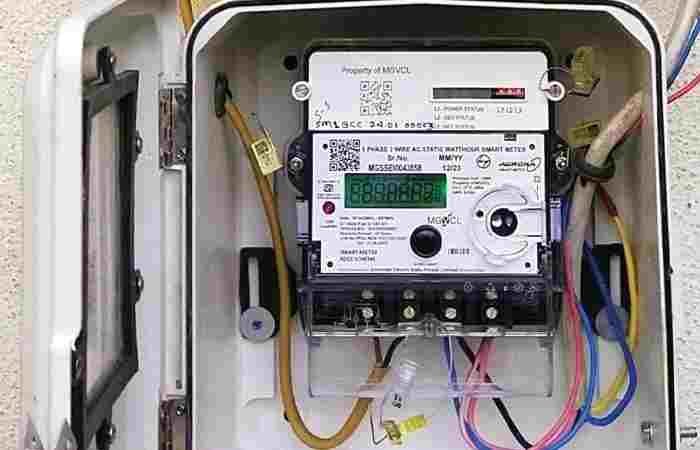
The way electricity is consumed and billed in India is undergoing a major transformation, especially in states like Rajasthan, thanks to the rapid rollout of smart meters. As of 2025, these advanced meters are becoming more common, bringing greater transparency, efficiency, and control to consumers. This article explains how you can check your smart meter reading in Rajasthan, while exploring the technology, benefits, challenges, and what lies ahead.
The Rise of Smart Meters in Rajasthan
Rajasthan is leading India’s smart metering drive with ambitious plans to install smart meters in nearly all 1.46 crore households by December 2026. This massive upgrade, a part of the Ministry of Power’s Revamped Distribution Sector Scheme (RDSS), aims to modernize the power sector, reduce Aggregate Technical & Commercial (AT&C) losses, and empower consumers with better control over their usage.
In late 2024, Ajmer Discom, one of the key power distribution companies in Rajasthan, announced the rollout of smart meters across its 17 districts starting in 2025, aiming to cover about 56 lakh consumers. These smart meters are connected directly to a central server, enabling mobile-based readings and billing. While pilot projects had already begun in places like Pushkar and Makrana, full-scale implementation is now moving ahead rapidly.
How to Check Your Smart Meter Reading in 2025
Unlike traditional meters that required a person to physically record the reading, smart meters use advanced technology to transmit data automatically. In Rajasthan, consumers now have several convenient ways to monitor their electricity usage:
Also Read :



1. Dedicated Mobile Applications (DISCOM Apps)
The easiest and most popular way to check your smart meter reading will be through mobile apps provided by your respective DISCOM (Distribution Company). These apps are designed to deliver real-time or near real-time data straight to your smartphone.
- Real-Time Usage Monitoring: You can track your daily, weekly, and monthly consumption in kilowatt-hours (kWh). Some apps even break this down by the hour, helping you identify when you use the most power.
- Billing Details: View your current bill, payment history, and a clear breakdown of all charges, including fixed costs, energy charges, taxes, and surcharges.
- Prepaid Meter Management: If you use a prepaid smart meter (which comes with government incentives like a 15 paisa per unit discount), these apps let you recharge online, see your balance, and receive low-balance alerts.
- Consumption Analytics: Many apps provide insights into your usage trends and allow you to compare them with previous months or other similar households — perfect for finding ways to save energy.
- Alerts & Notifications: Get alerts for high usage, due dates, outages, or other important updates right on your phone.
- Customer Support: Many apps also include features to raise complaints, request services, or chat with a DISCOM representative.
For example, while the specific Rajasthan smart meter apps for 2025 are still evolving, it’s likely that Jaipur Vidyut Vitran Nigam Ltd (JVVNL), Ajmer Vidyut Vitran Nigam Limited (AVVNL), and Jodhpur Vidyut Vitran Nigam Limited (JdVVNL) will have robust apps similar to those already in use in other states like Jharkhand’s JPDCL.
2. Online Web Portals (DISCOM Websites)
If you prefer using a larger screen or don’t have a smartphone, Rajasthan’s DISCOMs will also provide web portals. Log in with your consumer ID and password to check your consumption data, billing history, and make payments. Many portals will also have online service request features.
3. In-Home Display (IHD) Units (Limited Availability)
In some cases, smart meter installations may include an optional in-home display (IHD) unit. This small device shows your real-time electricity usage, so you can instantly see the effect of turning appliances on or off — no phone or computer needed.
4. SMS Alerts
For areas with limited internet access, DISCOMs may send SMS updates summarizing daily consumption, low prepaid balances, or billing reminders. It’s simple but effective.
5. Direct Meter Readout (Rarely Needed)
Smart meters still have a digital display showing your current reading. However, since the data is automatically sent to your DISCOM, you generally won’t need to check it manually for billing.
The Technology Behind Smart Meter Readings
At the heart of this system is Advanced Metering Infrastructure (AMI), which allows two-way communication between the smart meter and the DISCOM’s servers.
- Sensors and Control Devices: These measure your consumption accurately.
- Communication Infrastructure: In Rajasthan, 4G and other networks enable meters to transmit data to the central system. RF mesh networks may also be used.
- Data Collection & Analytics: Data is sent to a central data center, often using AI and Machine Learning (ML) to analyze patterns, predict demand, and optimize the grid. Rajasthan, for example, has set up advanced centers like the Bhamashah Data Centre in Jaipur.
- Cloud-Based Solutions: Cloud platforms ensure the system is scalable and cost-effective, adjusting quickly to changes in demand.
Pros of Smart Meters for Consumers in Rajasthan
The shift to smart meters offers many advantages:
- Real-Time Monitoring & Control: You can see exactly how much electricity you’re using at any time, which helps you manage your usage and save money.
- Accurate & Transparent Billing: Say goodbye to manual reading errors — your bill reflects your exact consumption.
- Prepaid Options & Savings: Prepaid meters work like mobile recharges, giving you better control and preventing surprise bills. Plus, you get a 15 paisa/unit discount.
- Dynamic Pricing Potential: In the future, smart meters will enable Time-of-Use (ToU) tariffs, letting you pay less during off-peak hours.
- Faster Outage Response: Smart meters alert DISCOMs immediately when there’s a fault, so problems can be fixed faster.
- Better Customer Engagement: With real-time data and personalized advice, DISCOMs can serve customers more effectively.
- Reduced Carbon Footprint: By encouraging more mindful energy use, smart meters support India’s net-zero ambitions.
- No Monthly Meter Fee (for Some): Many Rajasthan households consuming up to 150 units won’t pay the ₹75 monthly fee for smart meters, thanks to state government support — this policy will continue until March 2028.
Challenges and Cons of Smart Meter Rollout
Despite their benefits, smart meters come with a few challenges:
- Higher Installation Costs: Smart meters cost more upfront than traditional ones. In Rajasthan, the government is covering this cost to ease the burden.
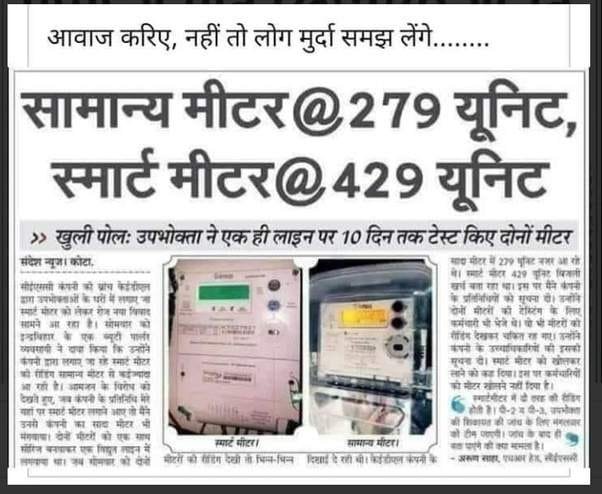
- Consumer Awareness: Some people still don’t fully trust or understand smart meters. DISCOMs need to spread awareness about how they work.
- Data Privacy & Security: With so much data being collected, strong cybersecurity is vital to protect consumers.
- Technical & Connectivity Issues: Ensuring reliable networks, especially in rural areas, can be tricky. Integration delays may also occur.
- Interoperability: Making sure all smart meters, regardless of the manufacturer, work well together is still a work in progress.
- Slower Progress: Despite big goals, installation rates have lagged. As of February 2025, only about 10% of the target was achieved, with overall physical progress at 12%.
- Infrastructure Gaps: Smart meters rely on robust supporting infrastructure — which is still a work in progress in some regions.
The Road Ahead for Rajasthan’s Smart Meter Journey
Rajasthan’s goal to provide smart meters to all households by December 2026 shows its strong commitment to modernizing its power sector. The government’s move to bear smart meter fees for many households will help speed up adoption.
With continued investments under the RDSS and advances in AI, IoT, ML, and 5G, smart meters will keep evolving. While there are still challenges to tackle, the long-term benefits of an efficient, consumer-focused electricity system are clear. As 2025 continues, consumers in Rajasthan can look forward to more control and smarter management of their electricity use.