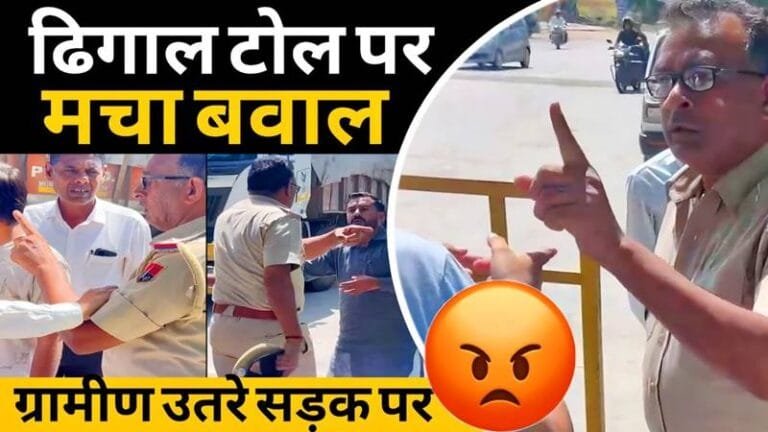
Recently, the Dhigaal Toll Plaza became the center of a significant local protest. Dozens of villagers gathered to voice their frustration and present a clear demand: the Dhigaal Toll should be free for local residents. This event highlights the strong emotions surrounding toll charges and the impact they have on the daily lives of people in the area.
Why Villagers Protested
Dhigaal toll protest The protest at Dhigal Toll was not a minor incident. Many villagers came together, stopping the normal flow of traffic at the toll plaza. Their main aim was to convey their dissatisfaction with the current toll system directly to the authorities.
The villagers’ primary demand was simple and straightforward: the toll should be free for locals. They believe that since they reside nearby and use the road regularly, they should not be charged. For many, these toll fees create a considerable financial burden.
Community Solidarity Against Toll Fees
The gathering at the toll plaza reflected the power of community action. People from different families and backgrounds united for a common purpose. Such unity often emerges when local communities feel ignored or treated unfairly.
Also Read :


This show of collective strength sends a clear message to officials that the community is concerned and willing to stand up for its rights. The large turnout at Dhigal Toll clearly reflected this shared spirit.
The Reason Behind the Demand for Free Toll
The demand for a free toll is not only about saving money. It comes from the fact that toll fees negatively affect daily life. For instance, farmers frequently cross the toll to reach markets. Workers have to pay daily to commute to their jobs. Students often pay to get to school.
These recurring costs add up quickly and can become a significant burden for families, especially those with limited income. Making tolls free for local residents is a common request in many regions, as it eases travel for locals and supports local businesses by reducing extra transportation costs.
Financial Pressure on Locals
Imagine paying the toll multiple times a day. For someone earning a modest income, these charges can quickly become a heavy load. Over a month, this could amount to hundreds or even thousands of rupees—money that could otherwise be spent on essentials like food, education, or healthcare.
Villagers argue that they live near the road and use it for essential purposes, not just for passing through. They feel it is unfair to charge them for something that is part of their daily life. This financial strain is a key reason behind their demand for a free toll.
Questions About Contracts and Transparency
Beyond the demand for free passage, protesters raised questions about how the toll operates. Some individuals sought details regarding the toll’s contract, requesting that “Vijender Ji, the PO” provide the purchase order from the owner, which outlines the terms under which the toll is authorized to operate.
Protesters stressed that reviewing these documents is essential before any further discussion or decision can be made.
Concerns About Toll Operations
The focus on the purchase order and contract suggests that villagers have concerns about the legitimacy or terms of the toll:
- Who owns the toll?
- What are the exact terms of the agreement?
- How long is the contract valid?
- Are there any special provisions for local residents?
These questions are common when communities feel an agreement may be unfair. Examining official documents can clarify doubts and ensure that operations are transparent and lawful.
Importance of Official Documents
Purchase orders and contracts clearly define responsibilities and rules. In case of disputes, these documents help identify who is accountable and whether certain exemptions or conditions exist. By requesting the purchase order, villagers sought clarity and accountability, aiming for a solution based on facts rather than opinions.
Managing Disagreements During the Protest
Protests can often generate debates and disagreements. At Dhigal Toll, some discussions centered on who should be included in the talks. One person emphasized that this was “our and the toll people’s matter,” indicating that outsiders should not interfere.
This perspective reflects the desire of core protesters to focus on their direct concerns with the toll authorities. Keeping the message clear helps ensure that the main demand—free toll for locals—is not diluted.
Avoiding Outside Interference
Sometimes, individuals not directly involved try to influence a protest. The villagers were careful to prevent external distractions, ensuring that their specific issue at Dhigal Toll received attention from the right authorities.
Conclusion: Demand for Resolution and Transparency
The Dhigal Toll protest brought important concerns to the forefront. Villagers demanded free tolls, highlighting the daily financial burden they face.
In addition, they raised questions about how the toll is operated, requesting detailed contracts and purchase orders to ensure transparency and fairness.
The events at Dhigal Toll demonstrate the strength of community action and the need for open communication between residents and authorities. A fair resolution addressing both the financial concerns of villagers and the legal framework of the toll is essential for future harmony.